We make games meant to be played for years.
Mochi Spark is a small studio built around two things: how a game feels in the first minute, and how it looks after the hundredth hour. We design for the long run, tune fast, and stay on the line with the people we work with.
kept burning. EST. 2026
PVP · UNITY
GO · PHOTON
One office, door open.
Mochi Spark works out of a single studio room. Playtests happen here on Fridays and partners are welcome to sit in on one — tell us a day and we will keep a chair.
19/F, World Trust Tower
50 Stanley Street, Central
Hong Kong
9:00 – 18:00 (GMT+8)
Playtest day: Friday
+852 6505 6040
Four people, four disciplines
Independent
The rhythm you would walk into
Four things we do not trade away
Experience before feature list
Every build starts with the first sixty seconds in someone's hands. If that minute is not good, nothing added later fixes it.
Art leads, it does not decorate
Art direction is set before the systems are locked. The look decides what the game can be, so it is not a skin applied in the last sprint.
Fast where speed is felt
Short loops, a build every week, performance budgets set on day one and held. Load times and frame pacing are design work, not cleanup.
Support with a name on it
You talk to the people who made the thing. Same day where we can, honest timing where we cannot.
A game should still be worth opening in year three.
We build titles designed to be lived in — the kind with seasons, standings and a group chat around them. That changes what gets decided early: the economy has to hold, the art has to keep giving, and the update cadence is part of the design, not a plan made after launch.
Depth over launch spike
Systems that reward the hundredth session, not just the first download week.
An economy that survives
Tuned against the long curve, so the game does not have to be rescued by a discount.
Art with room to grow
A style built so that year-two content still belongs in the same world.
We stay in the room
Live support, patches and community reading are ours too, not handed off.
Tongits Island. Small card, big fun.
Ready to test your card skills? Tongits Island is a classic Filipino card game where strategy, timing, and a little luck can make all the difference.
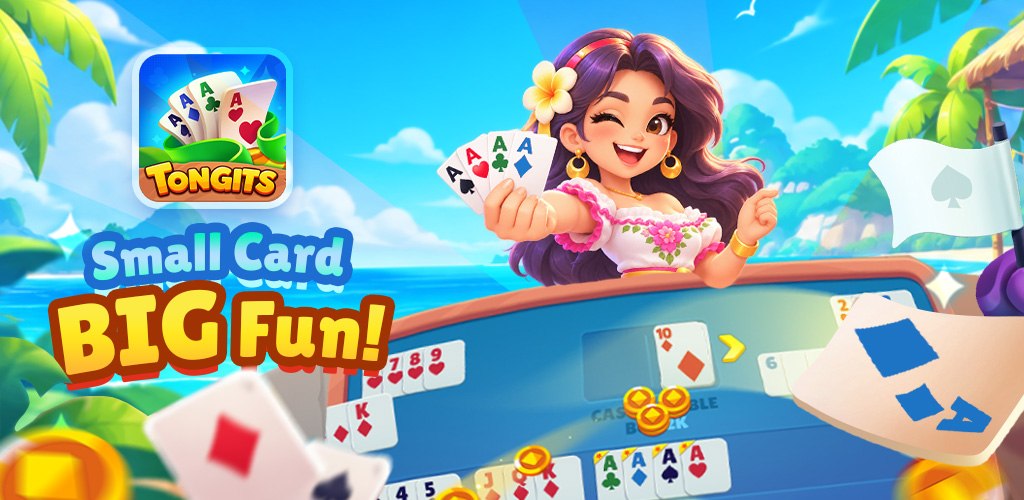
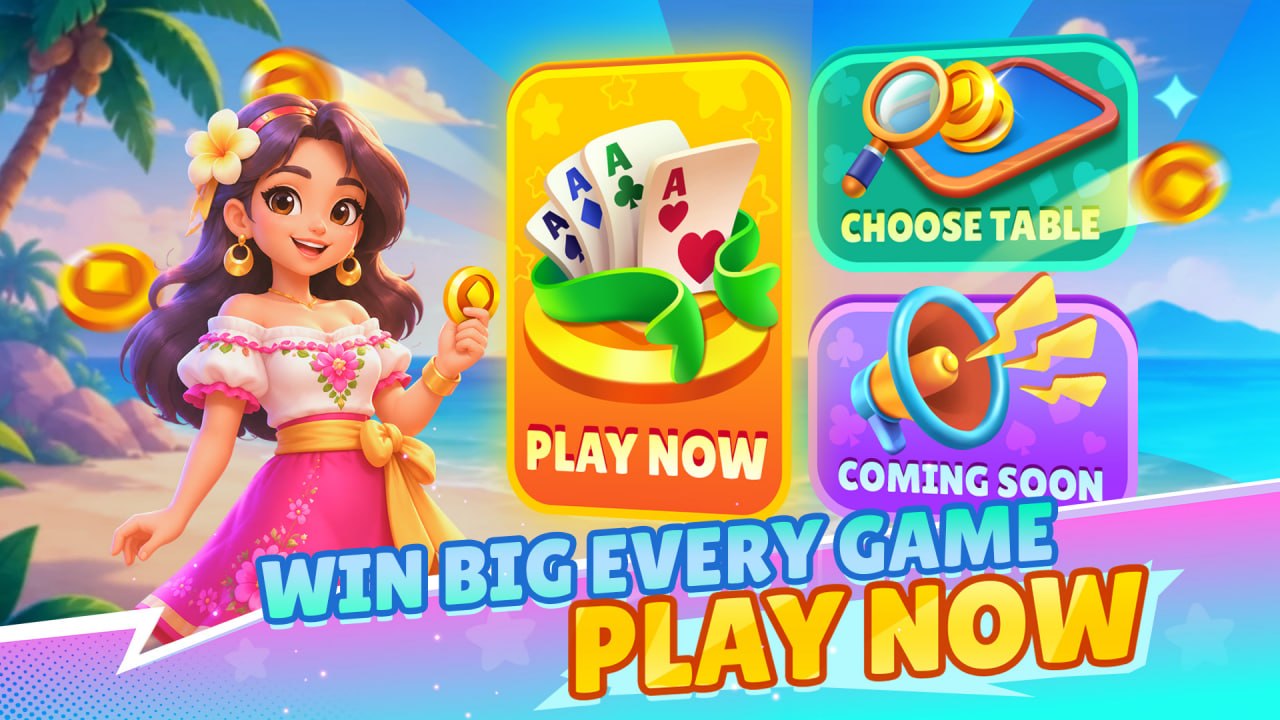
Draw, meld, and discard your way to victory. Build your best hand, decide when to play it safe, and know when to make your move. Whether you're new to Tongits Island or a seasoned player, every round brings a new challenge.
Jump into exciting matches, put your skills to the test, and compete against other players. Make smart decisions, read the table, and work your way toward bigger wins.
Built for real-time PvP.
Player versus player is the hard requirement, so the stack is chosen for it: one Unity client, an authoritative Photon layer for the match itself, and Go services behind it for everything that has to outlive the session.
Unity
One codebase for iOS and Android, with the art pipeline and the frame budget agreed before content starts.
Photon
Matchmaking, rooms and authoritative match state on Photon servers, with reconnects treated as normal play rather than an edge case.
Go
Accounts, progression, ladders and economy as small Go services. Fast deploys, plain code, and a system four people can hold in their heads.
Four people, one room, started in 2026.
We met on other people's projects and kept having the same argument: the parts players actually feel — the art, the first minute, the frame rate on an old phone — were always the parts cut first. Mochi Spark started in 2026 so those parts get decided first instead. Small on purpose: four disciplines, no layer between the person asking and the person building.
one table. NO HANDOFFS
NO MIDDLE LAYER
The first year, honestly told
We rented the room
Four people, one lease, a whiteboard of the games we wished existed.
The style guide came first
Art direction, motion rules and a performance budget, written before any system design.
Playtests every Friday
Strangers on real phones, notes on the wall, the loop rebuilt three times.
Into the long run
Our first title enters the years it was designed for, with partners who want the same thing.
Notes from the room
Drawing a style that lasts three years
What we keep out of an art bible so that content made in year two still fits the world.
Sixty frames on a four-year-old phone
The performance budget we set in week one, and the three features it has already killed.
Why we stayed at four people
Every hire we did not make, and what the small size buys us in speed and in answers.
Asked before you ask
Anything not covered here, put it in the email below and you get a straight answer.
{{ f.a }}
We hire people who finish things.
Start something long.
{{ contactCopy }}
A four-person game studio. Player experience first, art-led, and built for games people keep playing.